AI Raises The Bar For Performance
Traditional CCTV could often operate as a contained system. Footage was recorded locally and reviewed when needed, and performance expectations were lower because systems were largely reactive.
AI changes that.
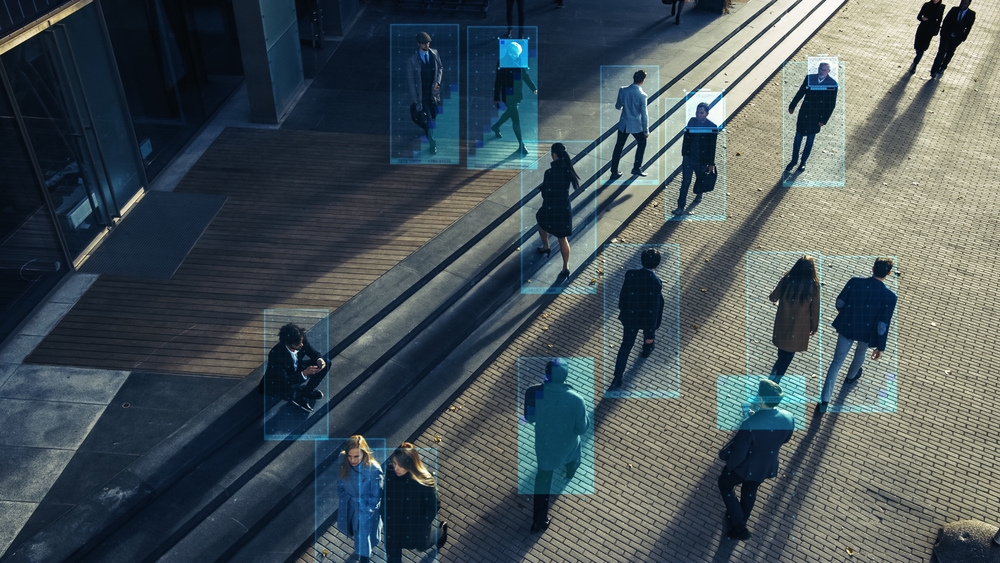
Once analytics are introduced, CCTV becomes something that needs to function continuously and consistently. Video must be transmitted reliably, processed quickly and made accessible across sites and devices. Alerts need to trigger in real time and data volumes increase significantly.
In other words, AI does not just improve CCTV. It increases the demand placed on the network and infrastructure behind it.
Where Upgrades Begin to Struggle
Many security projects focus on the visible components first. Cameras are upgraded, analytics software is added and dashboards are configured, all while connectivity is all too often just assumed.
In addition to this, it’s important to note that existing networks may have been designed for basic surveillance, not high resolution video streams combined with analytics and remote access. That means that backhaul capacity may be limited, wireless links may have been deployed as temporary fixes and infrastructure may not have been engineered with future growth in mind.
The result is rarely an immediate collapse. More often, it is inconsistent performance culminating in delays, dropped connections, reduced image quality and alerts that are slower than expected.
The system still functions, but performance is compromised in ways that only become obvious over time.
Compliance is Not the Same as Resilience
Regulatory pressure and changing expectations are pushing organisations to review surveillance capabilities. Legislation such as Martyn’s Law has sharpened focus on preparedness, particularly in public facing environments.
AI can support these objectives, but compliance alone does not guarantee performance. A system that meets specification on paper may still struggle in live conditions if the supporting infrastructure is not robust.
Security technology only delivers value when it performs consistently under pressure.
Connectivity is the Quiet Dependency
High resolution cameras and AI analytics generate significant amounts of data. That data must move across networks reliably and without interruption.
In complex estates, remote sites and operational environments, this is not always straightforward. Physical constraints, distance, interference and live working conditions all introduce challenges.
This is where many projects reveal their weak point. Not because the camera is wrong, but because the network cannot sustain the demand placed on it.
When connectivity is treated as an afterthought, AI becomes unpredictable.
A Whole System Approach
AI, CCTV, access control and connectivity should not be separate decisions delivered at different times. They are interdependent parts of the same system.
Designing security as a whole, rather than as a sequence of upgrades, reduces risk and improves long term performance. It ensures that infrastructure is aligned with operational requirements from the outset.
That includes assessing backhaul capacity, reviewing wireless resilience and planning for growth before additional analytics and cameras are introduced.
By designing the underlying network alongside the visible security elements, it becomes possible to introduce AI with confidence rather than assumption.
If you’re looking at upgrading your systems with AI, just remember that AI CCTV is not just a camera upgrade. It is an infrastructure decision.
Got Further Questions?
If you are reviewing CCTV, exploring AI analytics or questioning whether your current infrastructure can support the next stage of security upgrades, TrellisWorks can help.
Speak to the team about designing a joined up solution that performs reliably in the environments that matter most.