Case Study

Connectivity
on the go

Working across UK mountain ranges to support remote infrastructure Scottish Power engineers needed a way to keep teams connected and provide portable connectivity in even the most isolated of terrains.

Scottish Power is a world leader in energy supply. They provide electricity and gas across the UK while generating 100% green electricity from its windfarms. Engineers work on sites across the UK to provide maintenance and support to keep critical energy infrastructure working. This often involves travelling vast expanses of harsh terrain to access isolated sites. Engineers needed to connect to systems for updating data, working inside wind turbines or keeping in touch with colleagues. The team were looking for a solution which could easily be transported and provide connectivity in any situation.

With nothing readily available TrellisWorks helped the team to design and deliver specialist enclosed carry cases with the unique ability to hold multiple mobile data services, dual and single active modems, as well as a backup SIM slot for extra dependability.

It meant workers could now stay connected in even the most remote and inaccessible of areas.


The Challenges

  • Harsh environments

    Remote teams are needed to work in hard-to-reach areas with no signal and difficult, harsh environments.

  • Constantly changing requirements

    No job is ever the same so any device would need to adapt. Terrain, habitat and network can change instantly.

  • Need to be portable

    Sites are often only accessed on foot. Any solution had to be easy to carry and portable

Working up a mountain with no signal meant engineers often had to travel away from locations to update data and speak to colleagues. It was a time consuming and inefficient way of working. It also left lone workers with inconsistent signal. ScottishPower wanted to find a way to create strong, reliable connectivity for employees in even the most remote of locations.

Any solution needed to adapt to multiple situations and offer flexibility and resilience. It also needed to be portable as often vehicles couldn’t be parked directly at the work site with engineers walking to reach equipment.

The Solution

TrellisWorks set about designing and creating the first portable connectivity pack. It could be charged when the engineer’s vehicle was running and then removed to act as a portable connection service on site.

Enclosed in a strong, durable case the backpack was designed to be light enough to carry with a variety of technology that could provide a resilient connection in any situation.

Each pack had endless ways to connect with options to connect directly to dual VPN Networks, hosted services or internet service when available.

The transit duo has two active SIMs with additional dormant SIMs ready to be utilised should the primary SIM fail or reach its designated capacity.

It meant that each of ScottishPower’s 183 vehicles could now work anywhere without interruption.

The Successes

  • Bespoke portable solution first for UK

    TrellisWorks delivered a first of its kind connectivity kit which could be used to keep even the most isolated locations connected

  • Delivered at scale

    The packs were fitted to all 183 vehicles and could be used across any job, offering flexibility and resilience to the whole team

  • Productivity improved

    Teams no longer needed to search for signal leaving jobs to update documentation and connect with colleagues

View Case Study

Case Studies

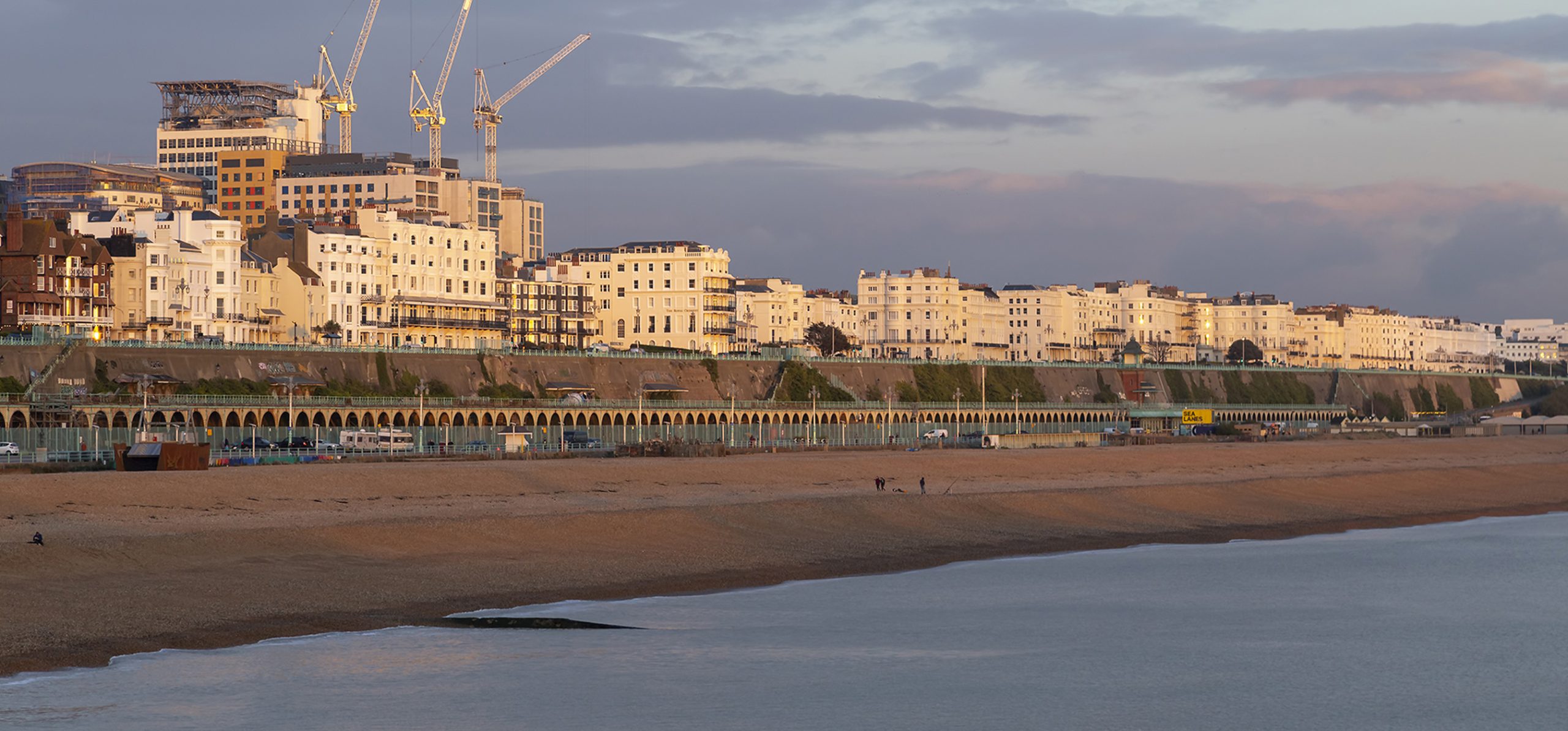
Royal Sussex County Hospital

A complex, underground construction site in a working hospital needed a solution that could deliver and fast

Case Study 1/3

Supporting the HS2 construction

Building the IT network and infrastructure

Case Study 2/3

Joint UK & US Airforce Base

Defending On Two Fronts

Case Study 3/3