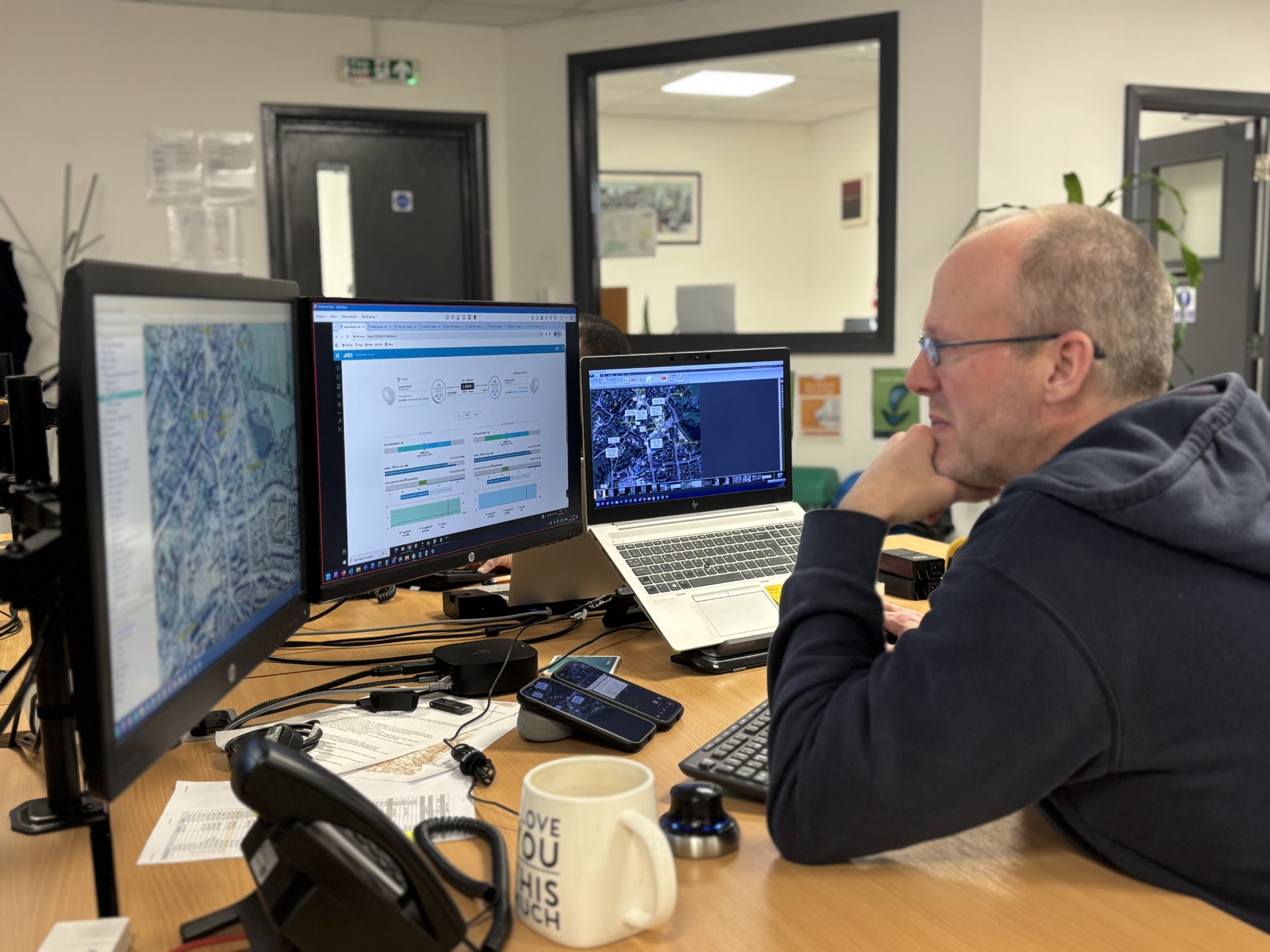
1. Choose equipment based on the job
One of the biggest mistakes I see is being locked into a single manufacturer or product range.
Different environments place very different demands on a wireless network. Distance, interference, capacity, resilience and future expansion all matter. There is no single piece of kit that is right for every scenario.
At TrellisWorks, we’re vendor agnostic for a reason. It allows us to select the right equipment for the specification and the budget, rather than forcing a solution to fit the hardware. That flexibility becomes increasingly important as networks grow and requirements change.
2. Design for scale
A wireless link that works today may not work in two years’ time if it hasn’t been designed with growth in mind.
Adding cameras, increasing resolution, introducing analytics or expanding coverage all place extra demand on the network. If those possibilities aren’t accounted for early on, performance starts to degrade and reliability suffers.
Designing for scale doesn’t mean overengineering everything. It means understanding where the network is likely to grow and making sensible allowances from the outset.
3. Treat wireless as infrastructure, not a shortcut
Wireless is sometimes treated as a quick fix or a temporary solution. That mindset causes problems.
In public safety and security applications, wireless links are carrying critical traffic. They deserve the same level of planning, resilience and documentation as any other part of the infrastructure.
When wireless is treated properly, it can be extremely robust. When it’s treated as an afterthought, it becomes fragile very quickly.
4. Documentation really matters
Good documentation doesn’t just help the installer. It helps everyone who touches the network over its lifetime.
Clear records of equipment, configurations, link paths and performance expectations make maintenance easier, fault-finding quicker and upgrades far less risky. Without it, people are effectively guessing, and that’s rarely a good position to be in.
One of the reasons customers continue to work with us is that we share documentation openly and keep it up to date. It’s part of making their network manageable long term.
5. Work with people who take responsibility
Wireless networks don’t exist in isolation. They sit alongside cameras, power, mounting infrastructure and operational processes.
The most successful projects are the ones where responsibility is clear, and where the wireless element isn’t treated as someone else’s problem. We tend to work best when we’re brought in as a partner, taking ownership of the wireless design and standing by it.
That also means being available. You shouldn’t need a purchase order just to ask a question or sanity-check an approach. Long-term relationships matter more than short-term transactions.
Get the basics right
Wireless, when done properly, can deliver reliable, cost-effective connectivity for public safety and security applications. When it’s done badly, the issues usually don’t show up straight away, they appear later, as systems grow and demands increase.
Getting the basics right early on makes everything that follows much easier.
If you’d like to find out more about our Infrastructure CCTV services, please visit our web page or get in touch with us and I’ll be able to share more.